
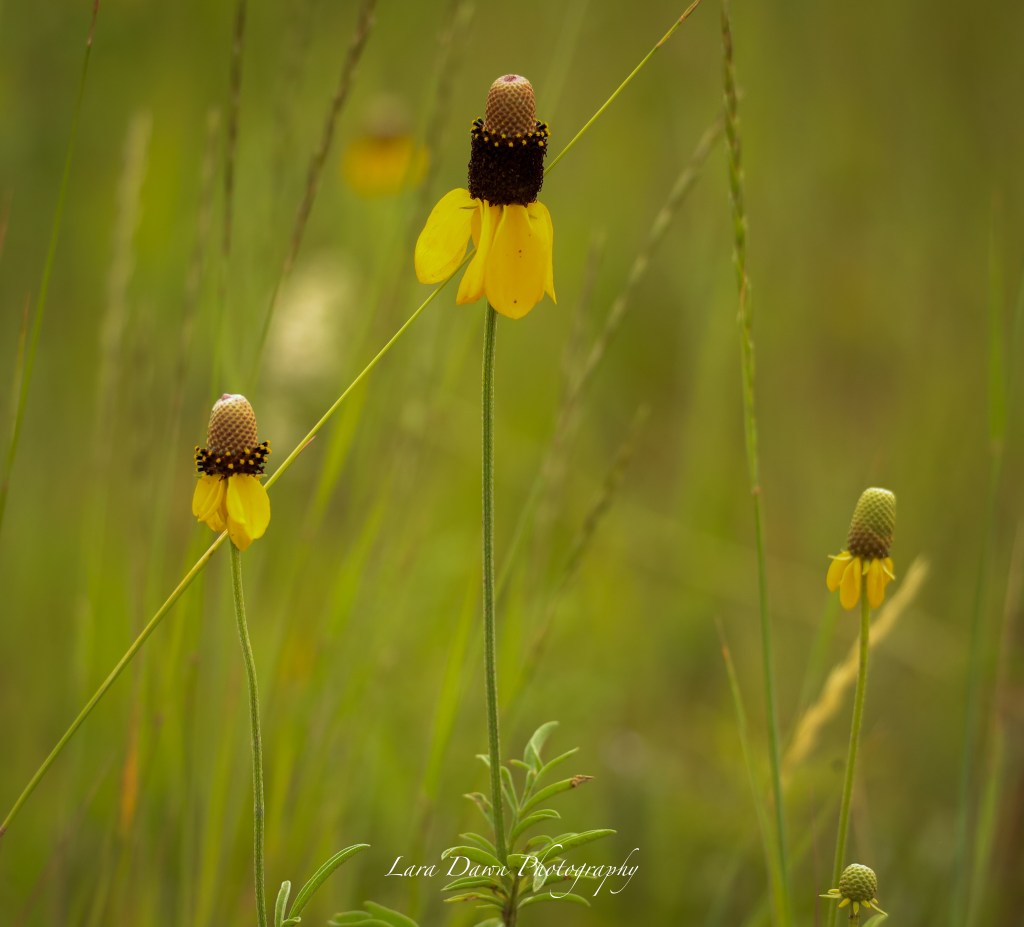
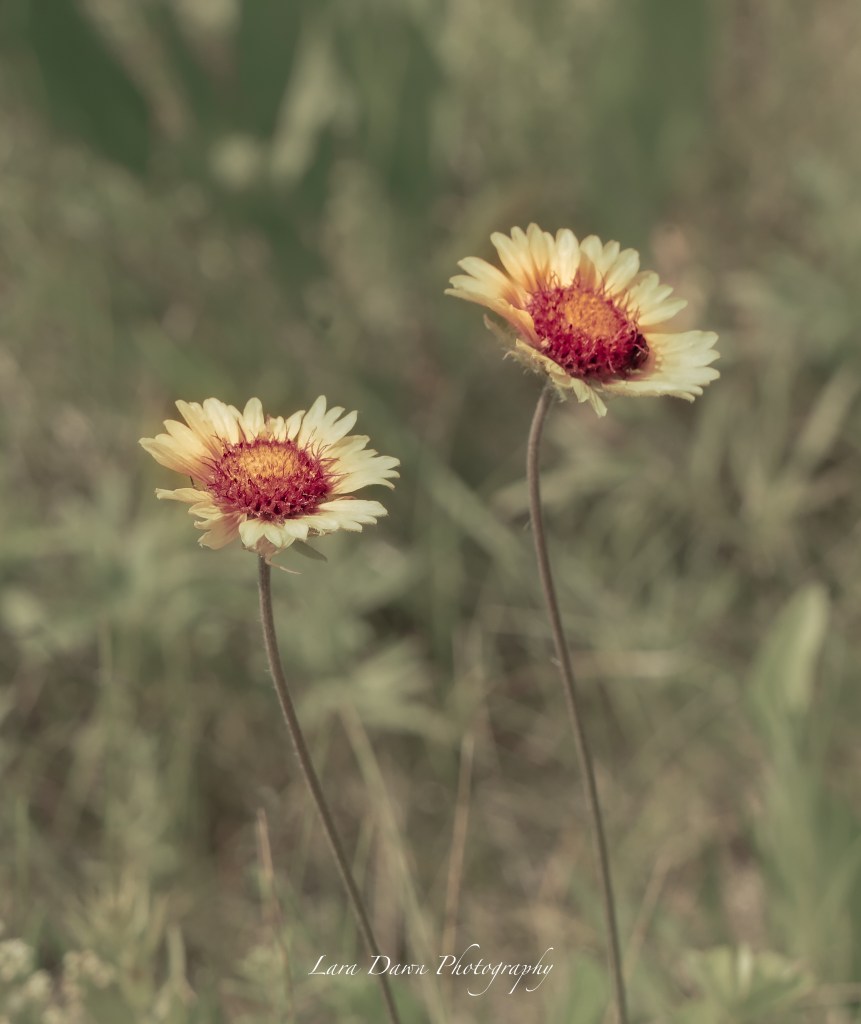
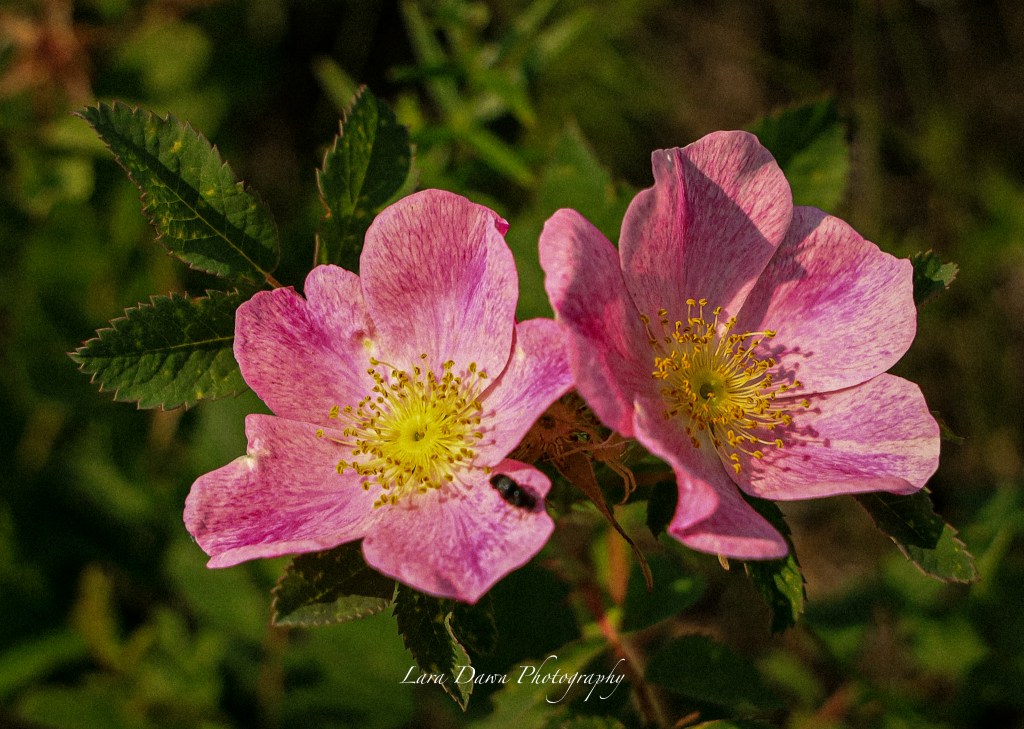
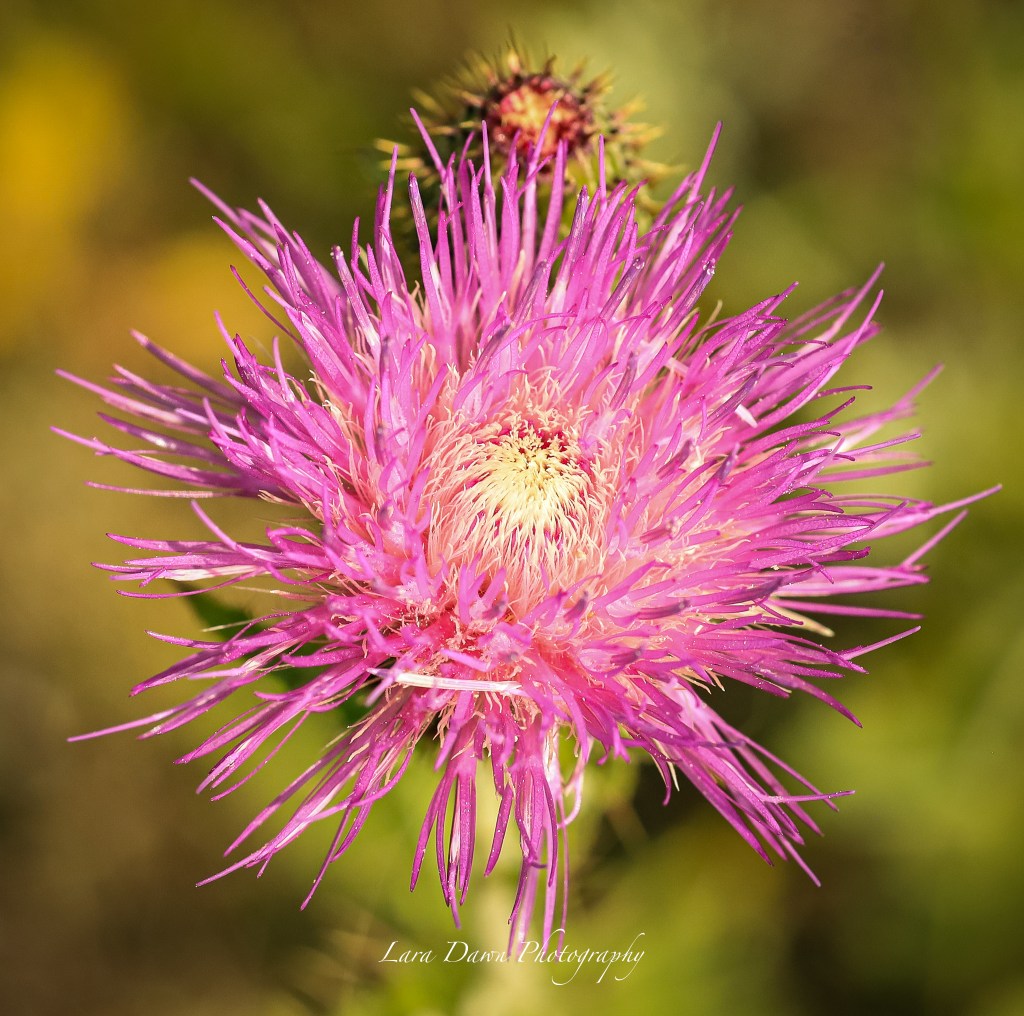
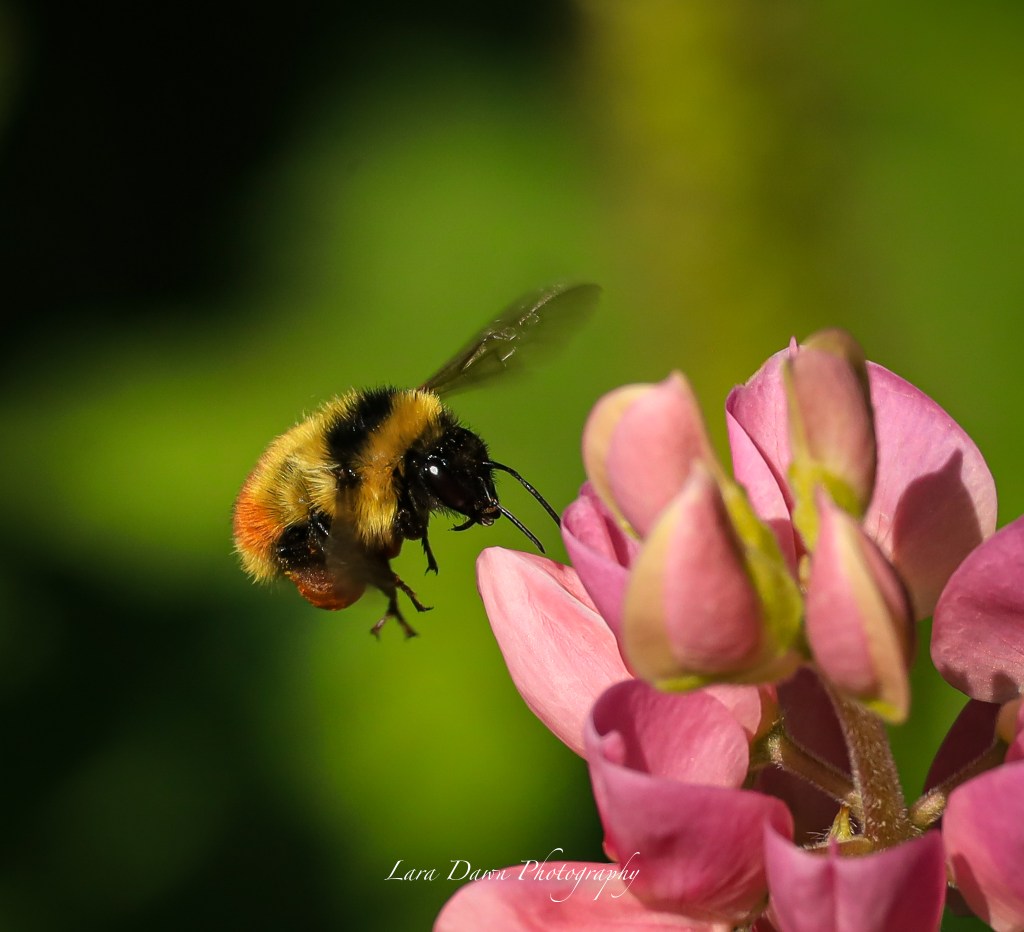
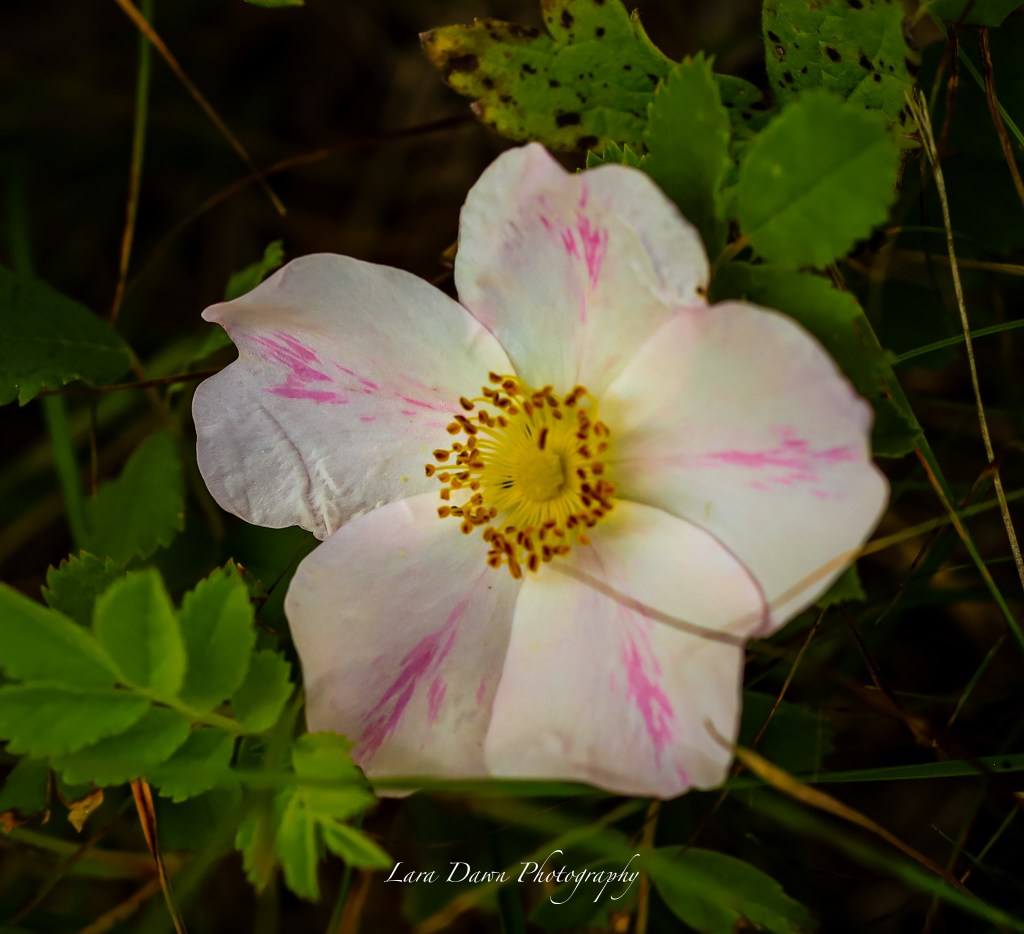
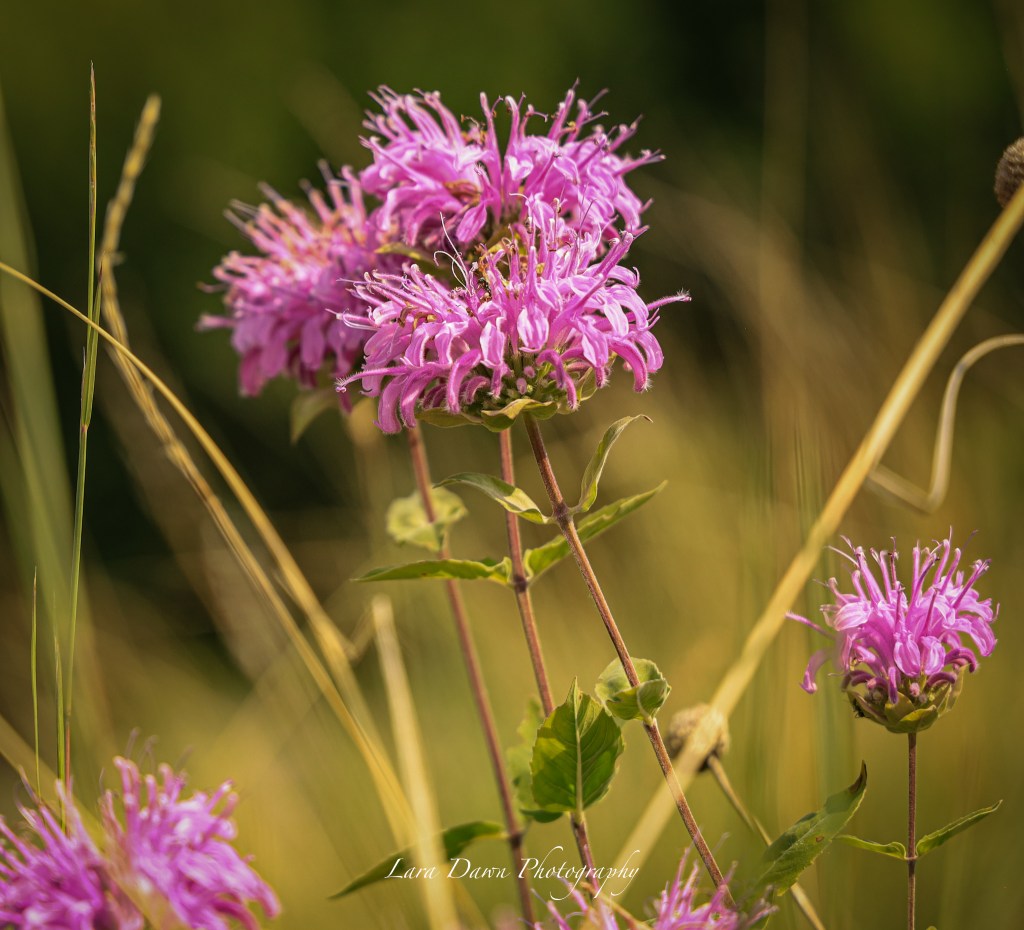
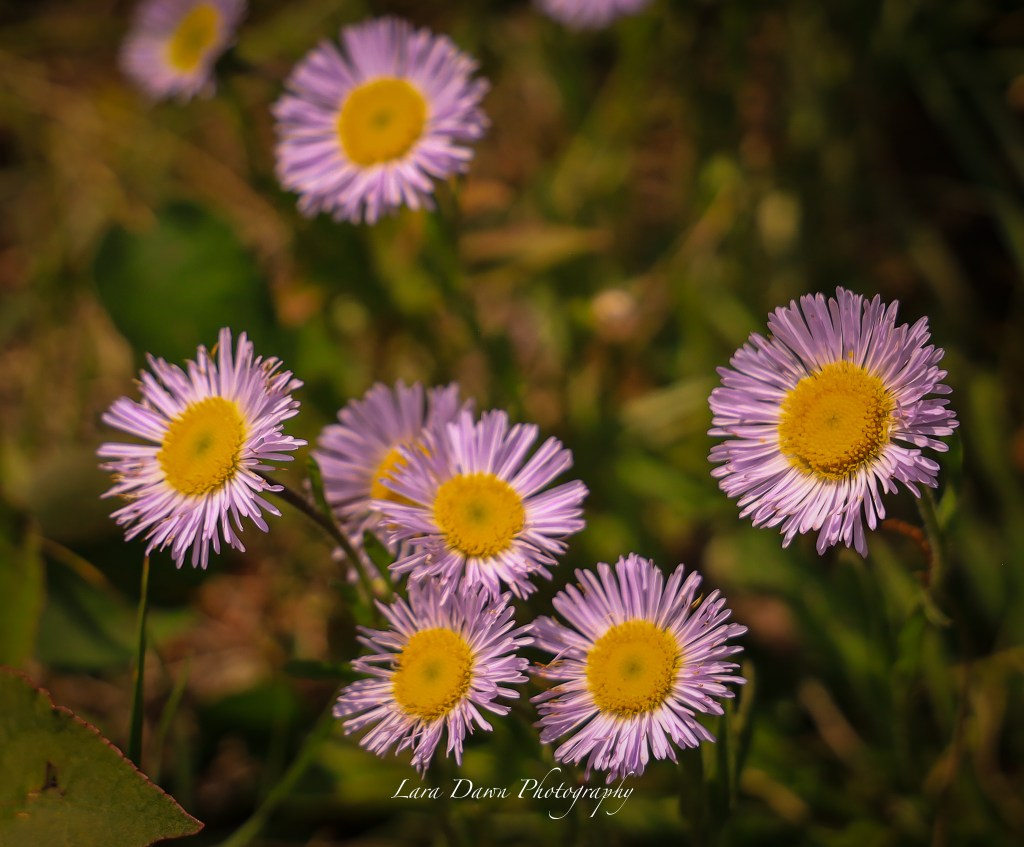
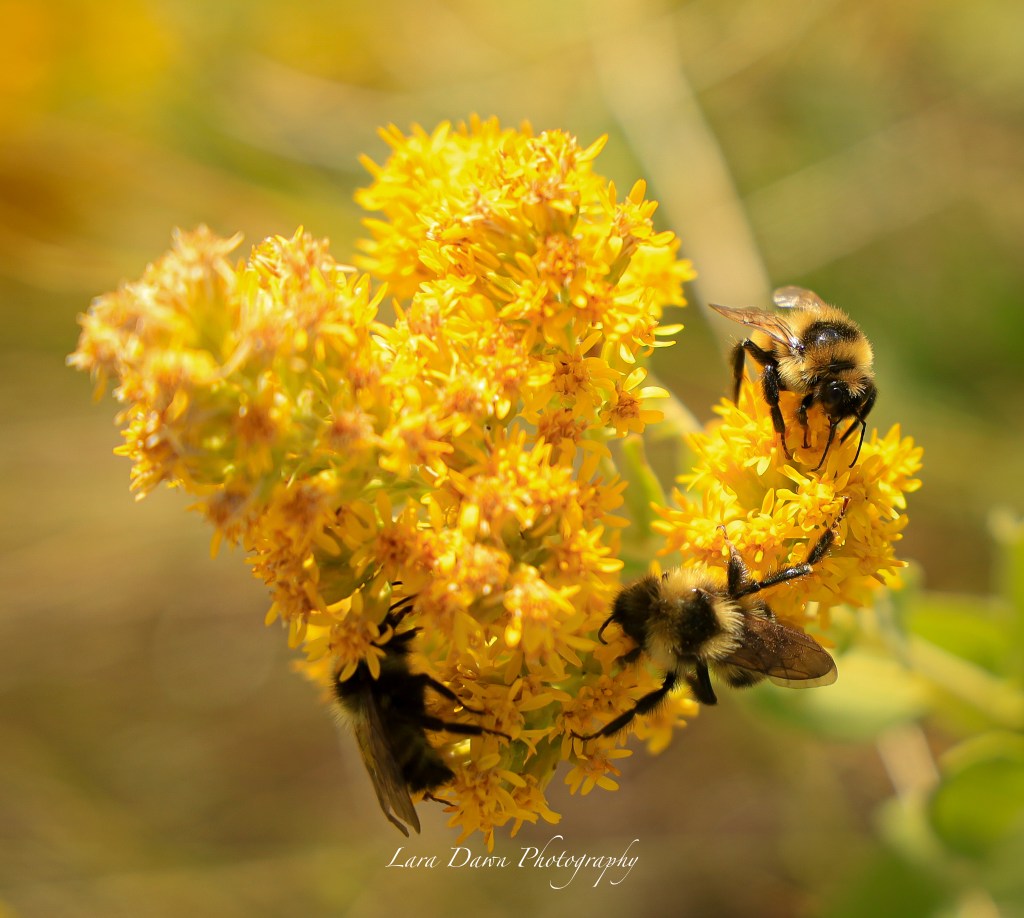
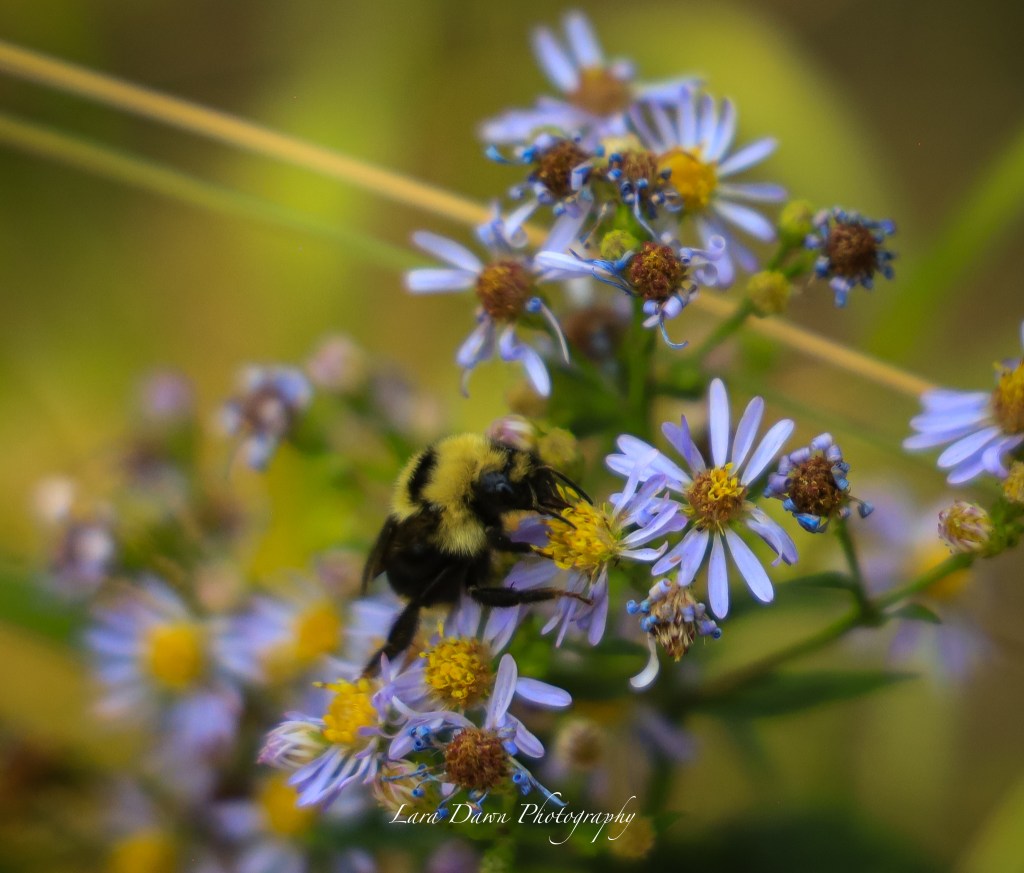
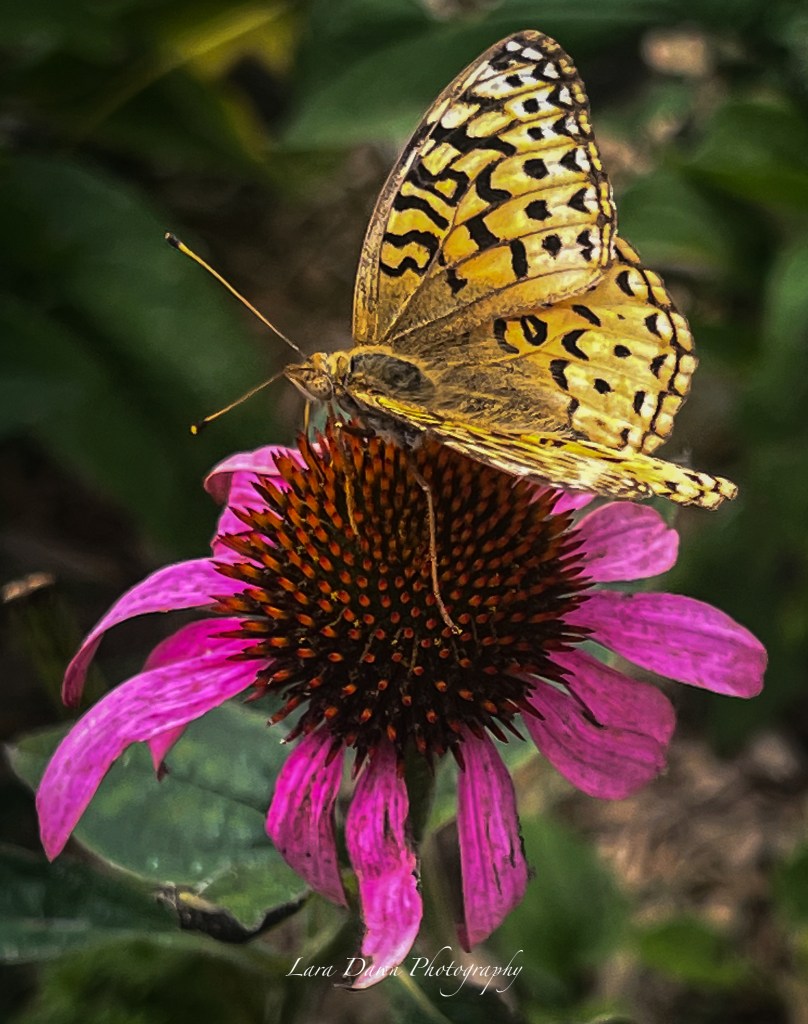
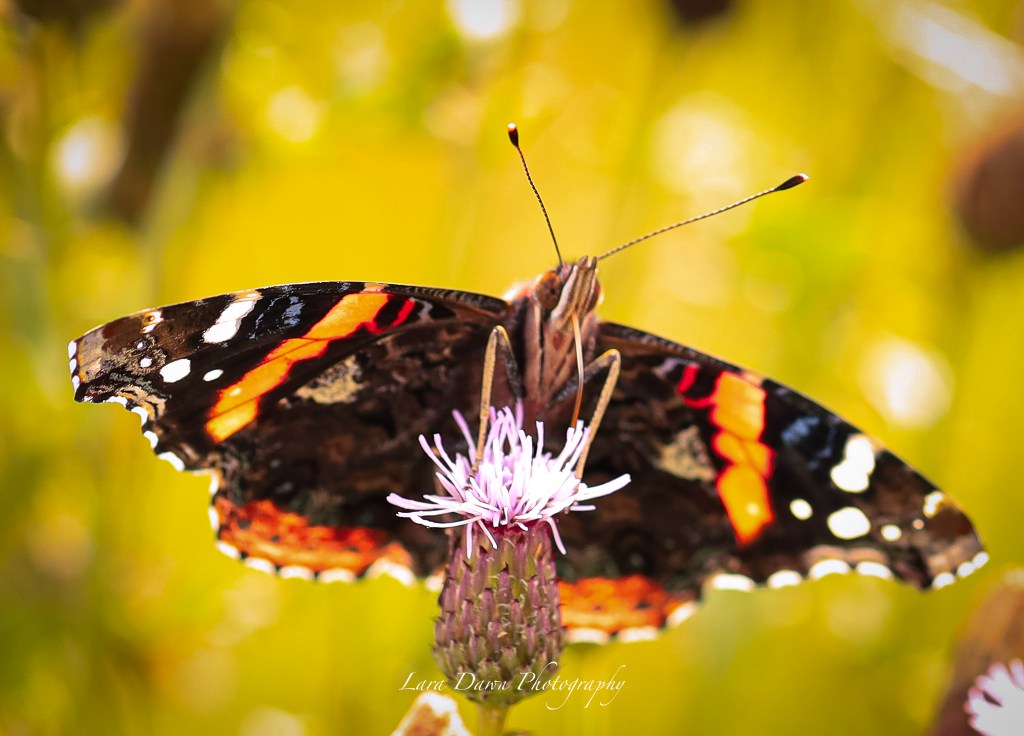
Walking the wild places, the corridors of natural prairie between fields of cultivated and planted land, or the hills of the Qu’Appelle Valley, I’ve learned to pay attention to the wild plants. When I travel to different landscapes, often with camera in hand, I like to document the wild plants I come across on hikes. In recent years, I’ve been slowly learning the names of these plants, expanding my plant vocabulary beyond thistle, sunflower, daisy, wild rose. Just this year, my sister and I identified five different types of mint in the wetlands just behind my house. The prairie grasses I encounter are yet to be identified or named, perhaps a task for the next season; I’m quite happy with the made-up names of nap grass (because the grass looks soft enough to have a nap in) and tickle grass (because the grass tickles your face when you walk through).
Even at these beginning stages of learning the names, I’m becoming better acquainted with the landscapes I am privileged to live on, or visit. I am getting closer to seeing these places and their inhabitants as gift, and, as such, treating all with honour and respect. The plant are our kin, a lesson I’m learning from Dr. Robin Wall Kimmerer in her book Braiding Sweetgrass. And if the plants are our kin, then I need to cherish them, just as I cherish my own human kin. So I begin with stopping to pay attention, close attention, and learning their names. Sometimes I take their photos, and then paint their likeness on a piece of pottery. Hopefully the wildflowers’ gift will bring joy to someone else. Hopefully we will protect our kin, so that future generations can know them too.

 Lara Dawn Pottery