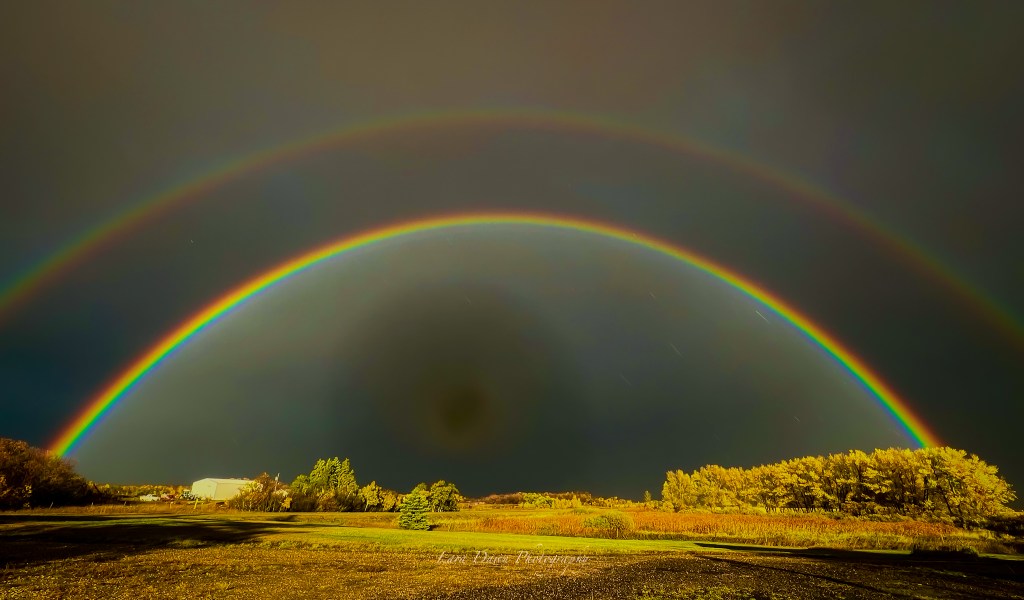
Double rainbow after an autumn thunderstorm (October 2023) Photo Credit: Lara Stoudt (Lara Dawn Photography)
“Loss is the tune of our age, hard to miss and hard to bear. Creatures, places and words disappear, day after day, year on year. But there has always been singing in dark times – and wonder is needed now more than ever. ‘To enchant’ means both to make magic and to sing out. So let these spells ring far and wide; speak their words and seek their art, let the wild world into your eyes, your voice, your heart.” (Rob MacFarlane, Introduction to The Lost Spells: A Spell Book)
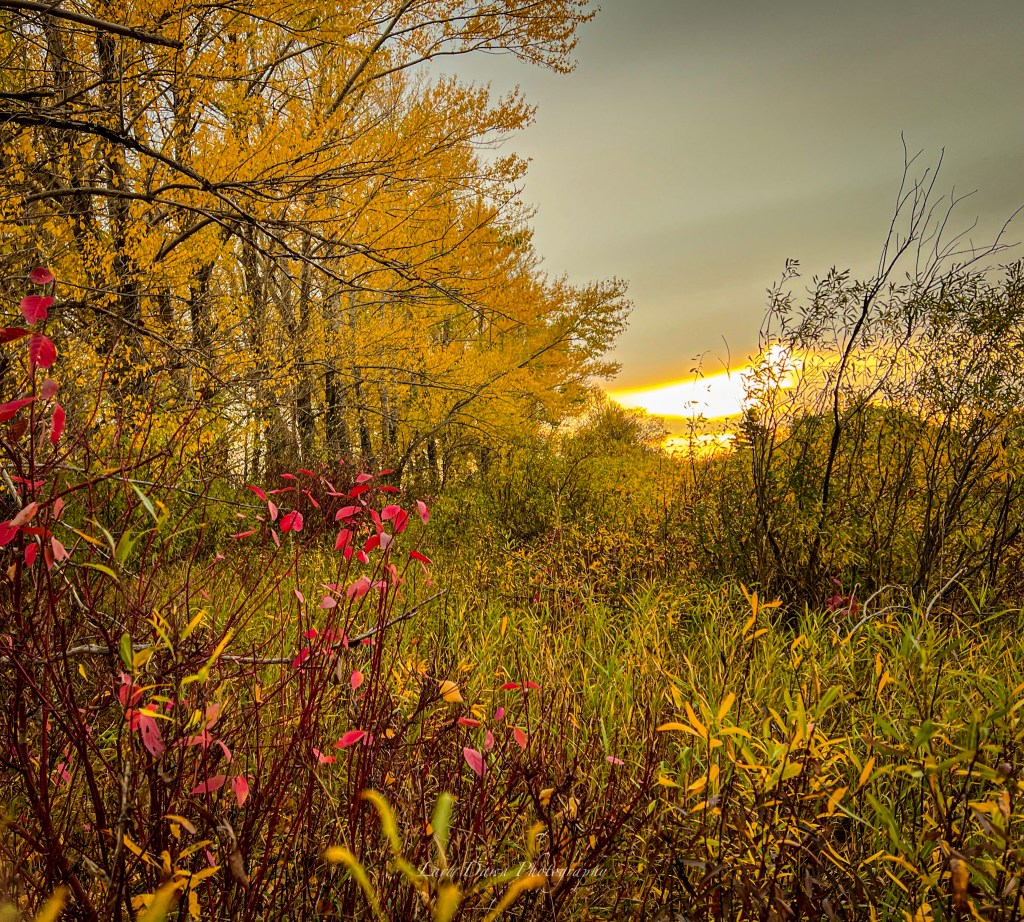
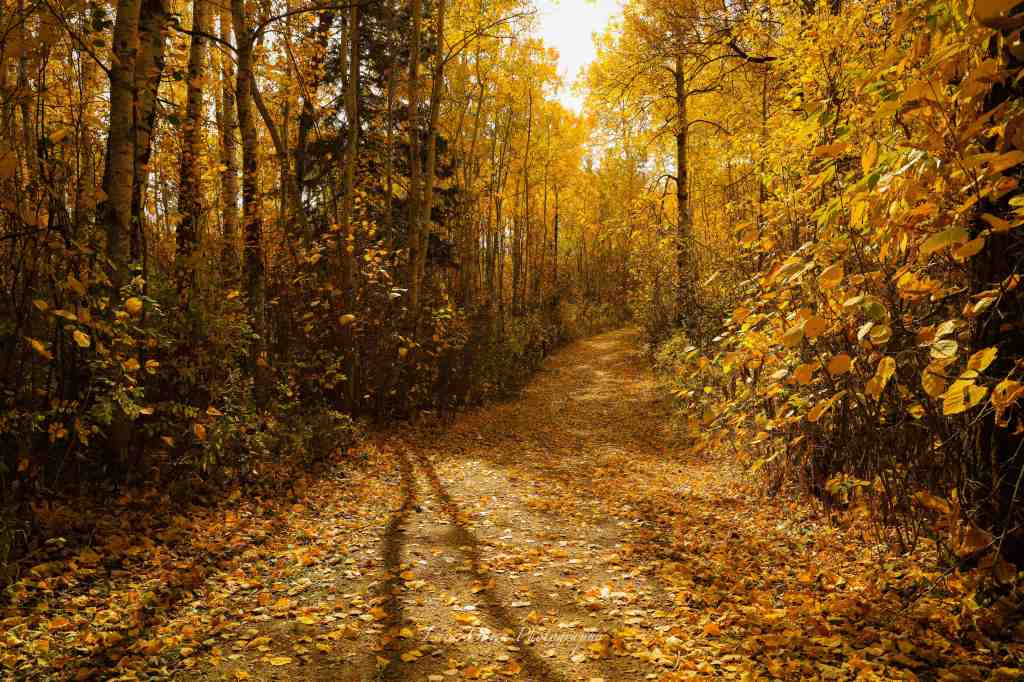
Walking among the wildplaces, poplar shelterbelt, willows in their autumn colours. Photo credit: Lara Stoudt (Lara Dawn Photography)
Somewhere along the way, someone(s) told me that magic was bad, even evil. That I was to take that word out of my vocabulary. To shun discourse that invites magic into its seams.
I was looking back through my art journals and found the beginnings of my mandala practice, which started in 2014. The course was called Mandala Magic. And I learned all about sacred geometry and the attempted erasure of ancient discourses (many stories for women and about women). I fell in love with the enchantment of art making. The Spirit’s very real presence in the process of creating. How She spoke through my heart and hands. This was magic.
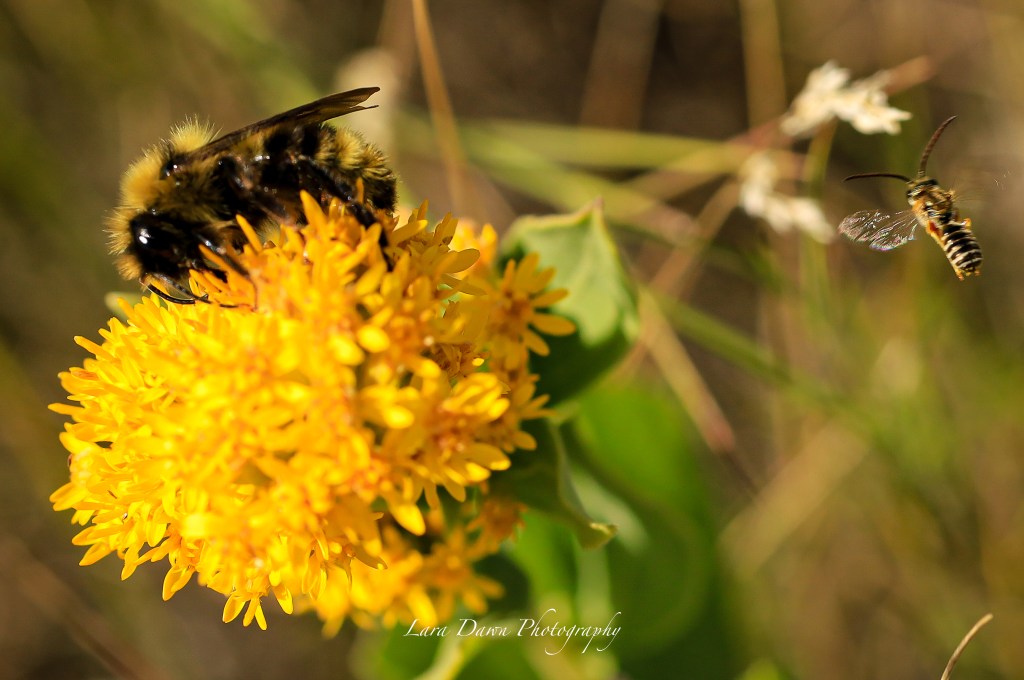
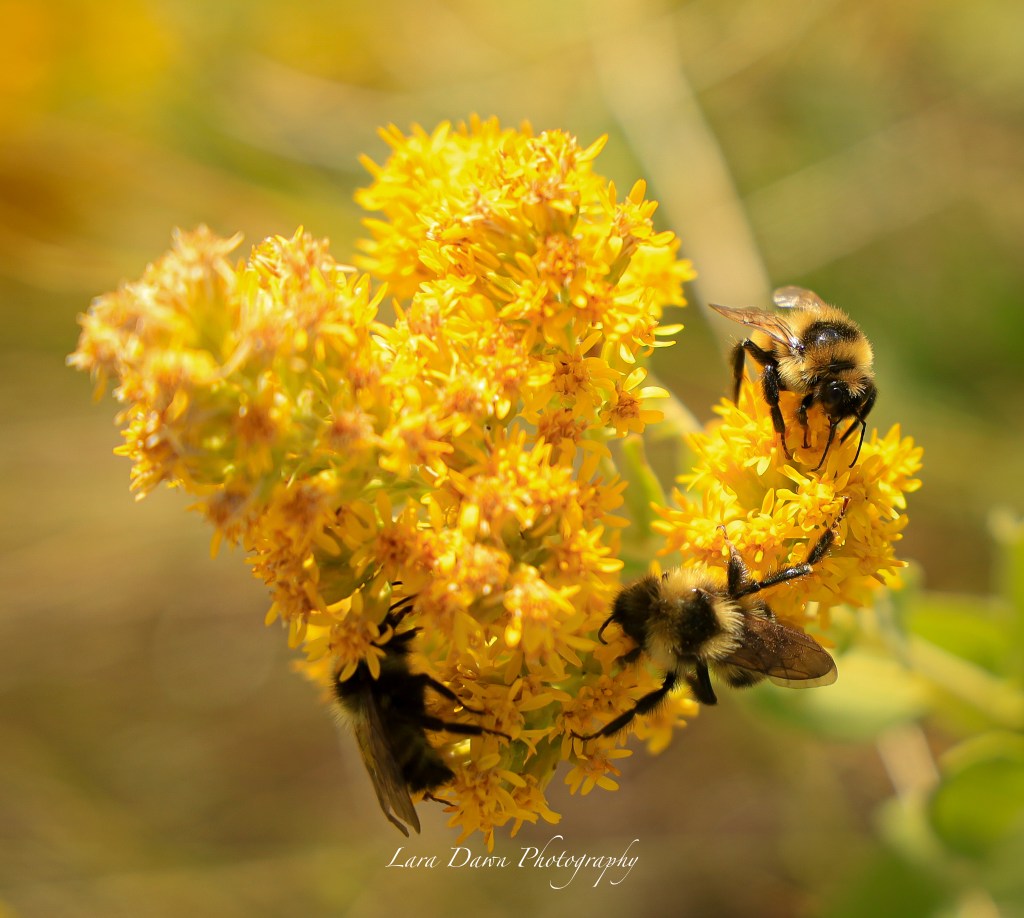
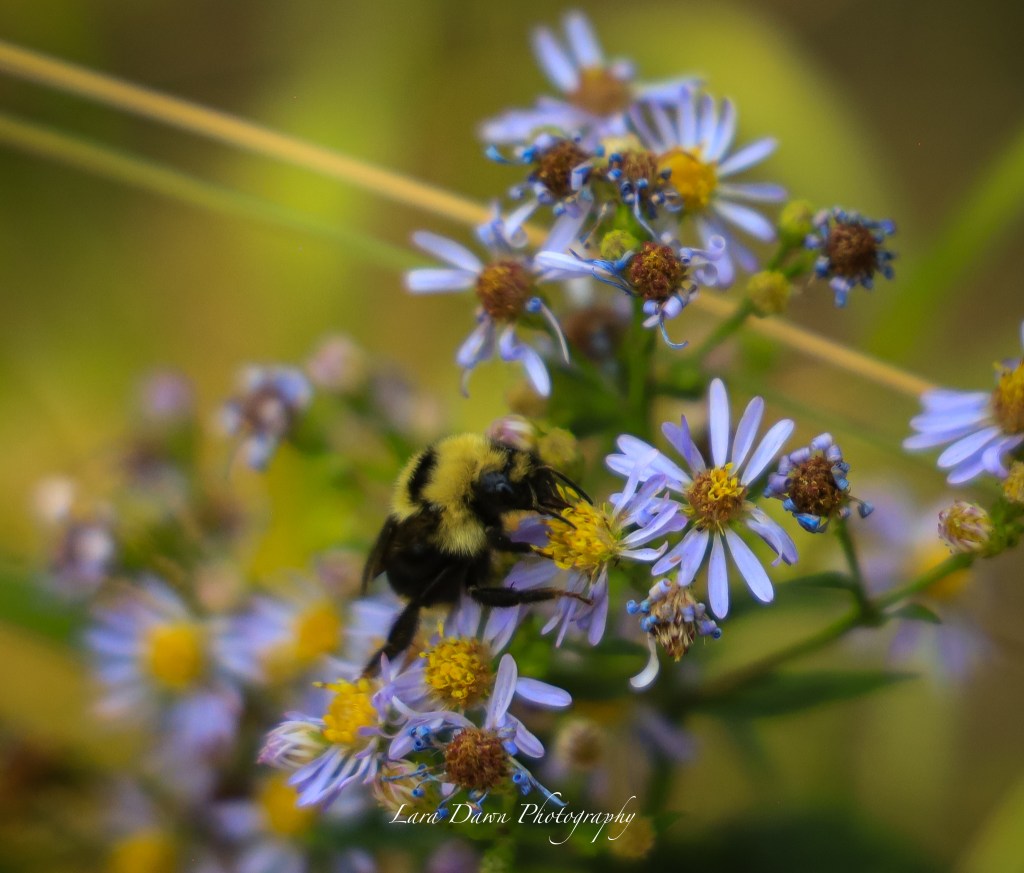
I began to see and rediscover this magic everywhere. In the willows, the aspens, the wildflowers, the bees. Rocks. Eagle. Junco. The world became alive, colourful. Full of song. And now I’m desperate to save it. To tell the world of its beauty, the Spirit’s finest expression. Like MacFarlane and others, I see the loss and my only weapon in the battle is my words—my voice and song.
I’m going to take back what those in power have stolen—my magic. My ability to sing in dark times. To love fiercely and do the impossible. To step into my role as matriarch and be Wisdom’s hands, heart, and feet. Indeed, this is magic. To allow the wild places feed my soul and teach me to live in unity with others, with all of creation. This is the magic of wild places.
From Rising Appalachia’s “Make Magic”:
In a land of mad takers Can I be a mad giver? In the land of the forsaken, can I be a forgiver? Can I swim upriver, keep the air in my lungs When I hit the dam I’ll break it, and sing to The Ocean Sing to The Ocean.
Refrain: What are we going to do with the Wickeds of the world Make magic Make magic Make magic
Transitions. Liminal Space. Thresholds. The end of one season and the beginnings of another. What is true in the landscape around me, is true within my soul. There is much to delight in at this time of year. The gift of harvest, bringing in what we’ve worked hard for all season. The yellow of goldenrod, sunflowers, aspen leaves. The cooler evenings and the sunrises. Yet, I find myself saying goodbye. I find myself grieving the summer days–the road trips, visits with family and friends, hiking new landscapes, the wildflowers, and the birdsongs. And perhaps this is all very normal, but this year the grief has been amplified by change, and most of these changes have been quite wonderful. I have a new title, Grandma! I can’t quite put into words how I feel about this amazing gift, but all I know is that this is Love, Love in its truest form.
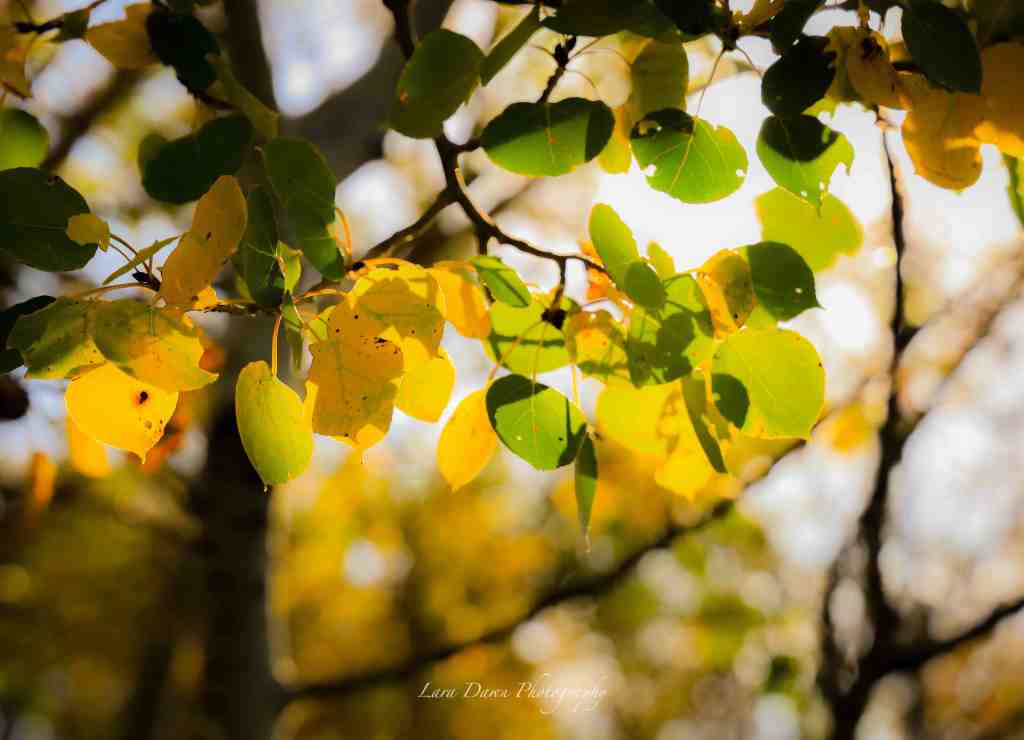
These profound shifts have left me grasping for a new language to describe what is going inside and around me. The phrase “let go” has been pulsing through me the last several days. And as a contemplate letting go, I see the world with fresh eyes. The trees dance in the wind; their letting go is not one of resistance, but of complete surrender. Perhaps because they have no choice, but maybe because they know something we do not. Or they have something to teach us. So instead of hanging onto what was, I will embrace the shedding of my leaves, the parts no longer needed for what is next. I will dance with celebration, and clap with joy, just as the aspens do. I will let my goodbyes be as yellow as the goldenrod and sunflower.
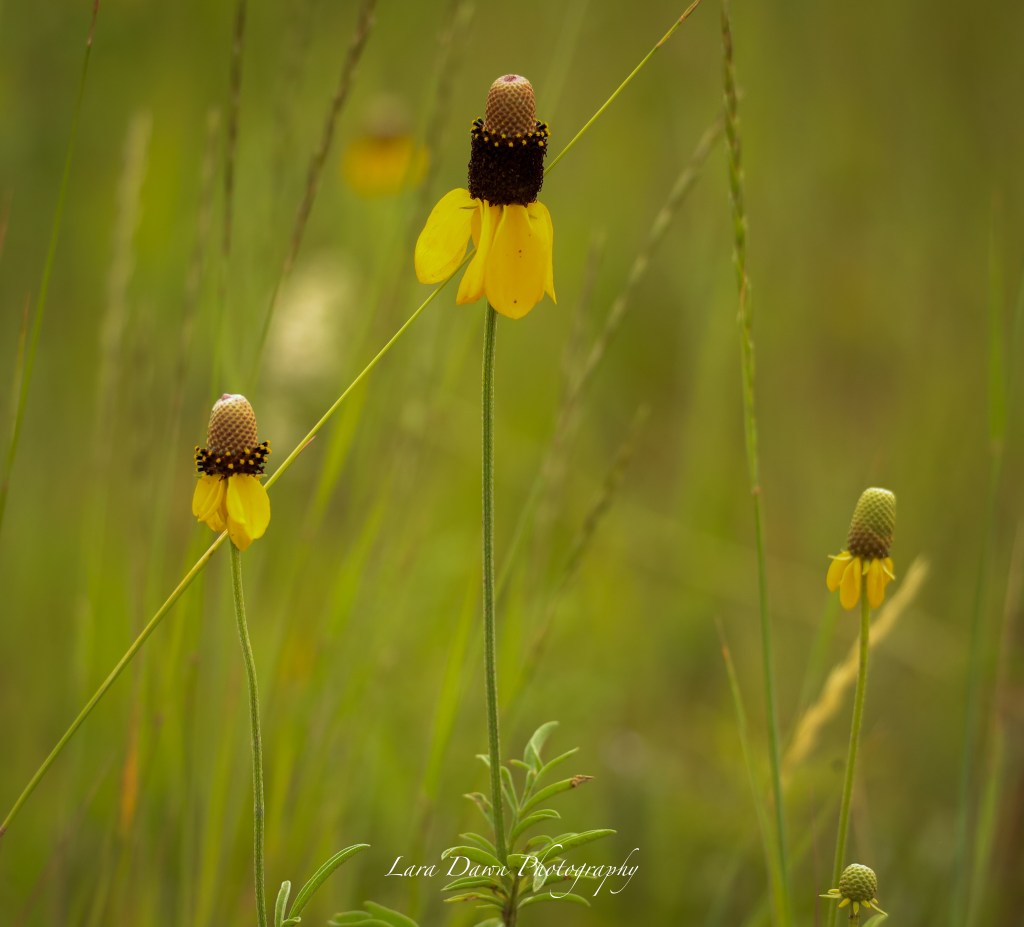
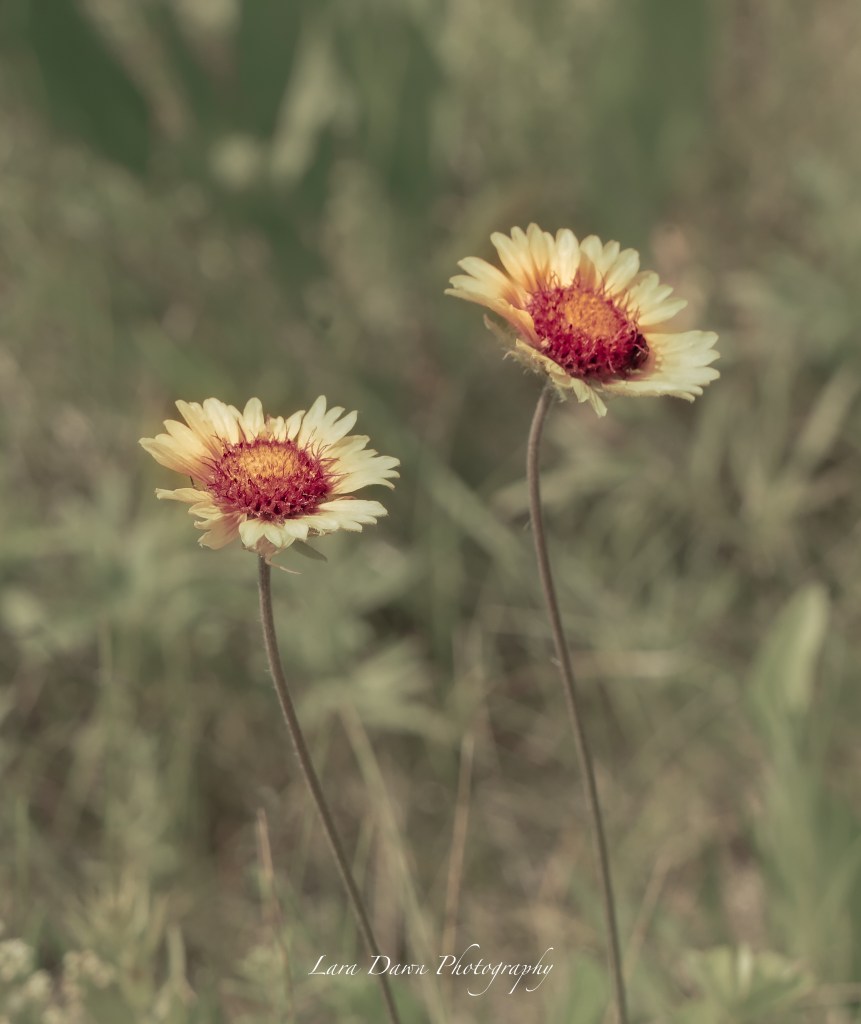
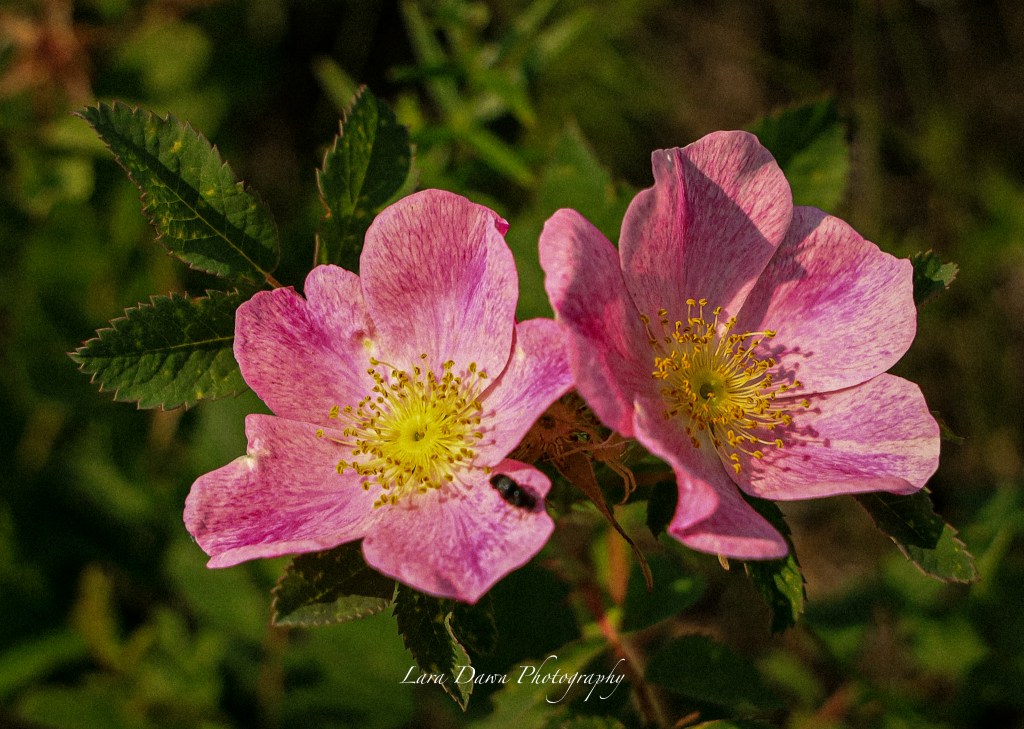
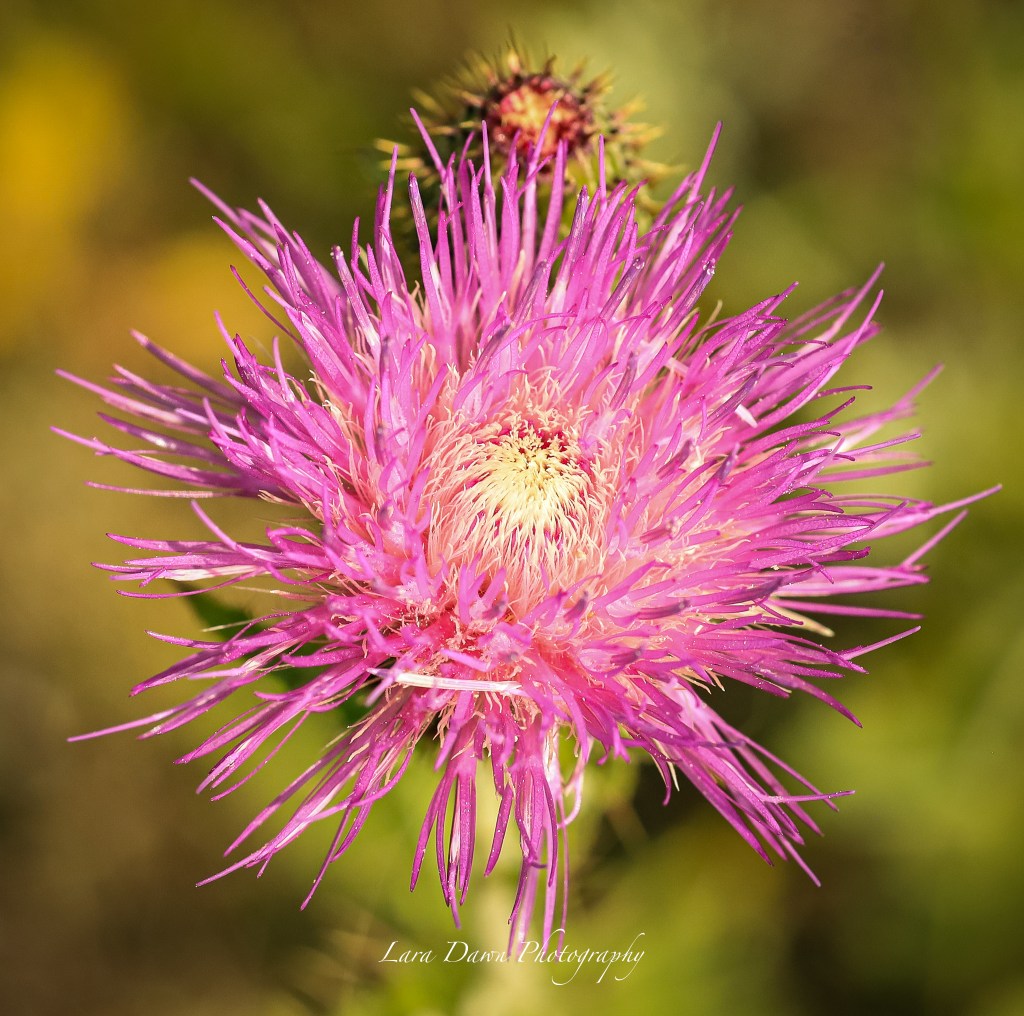
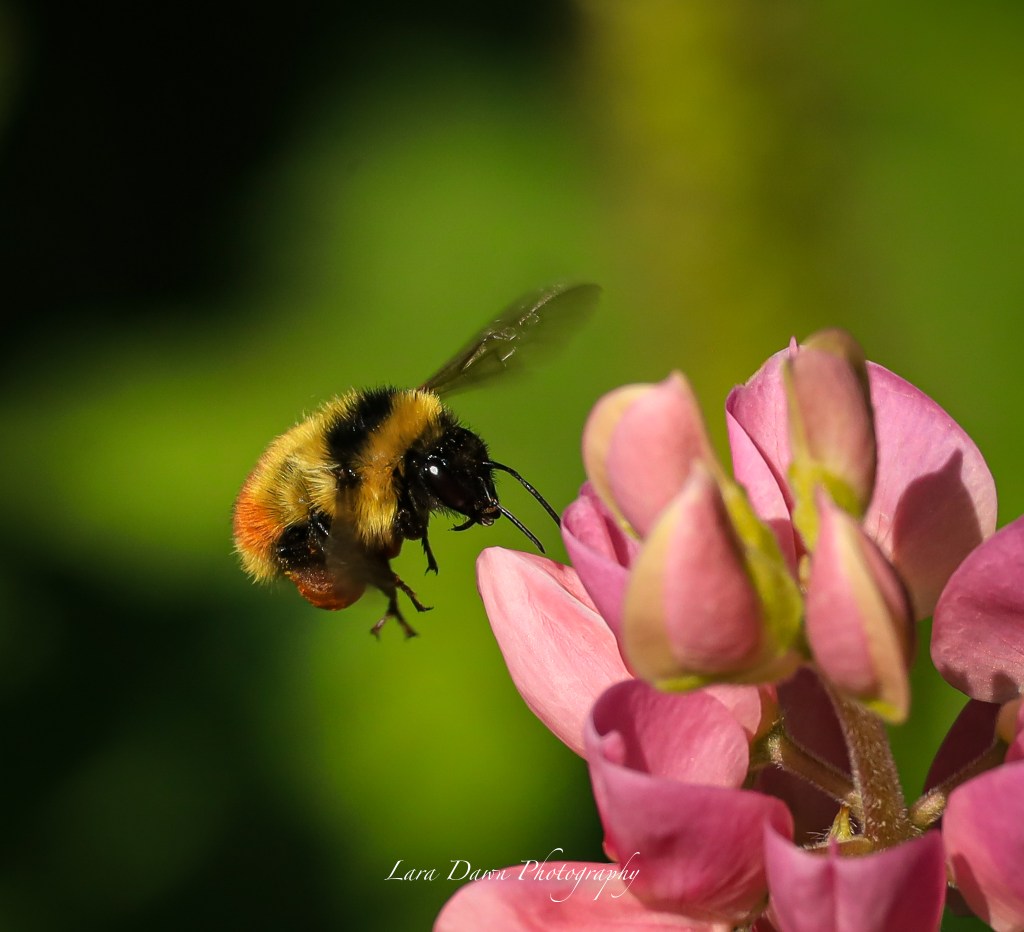
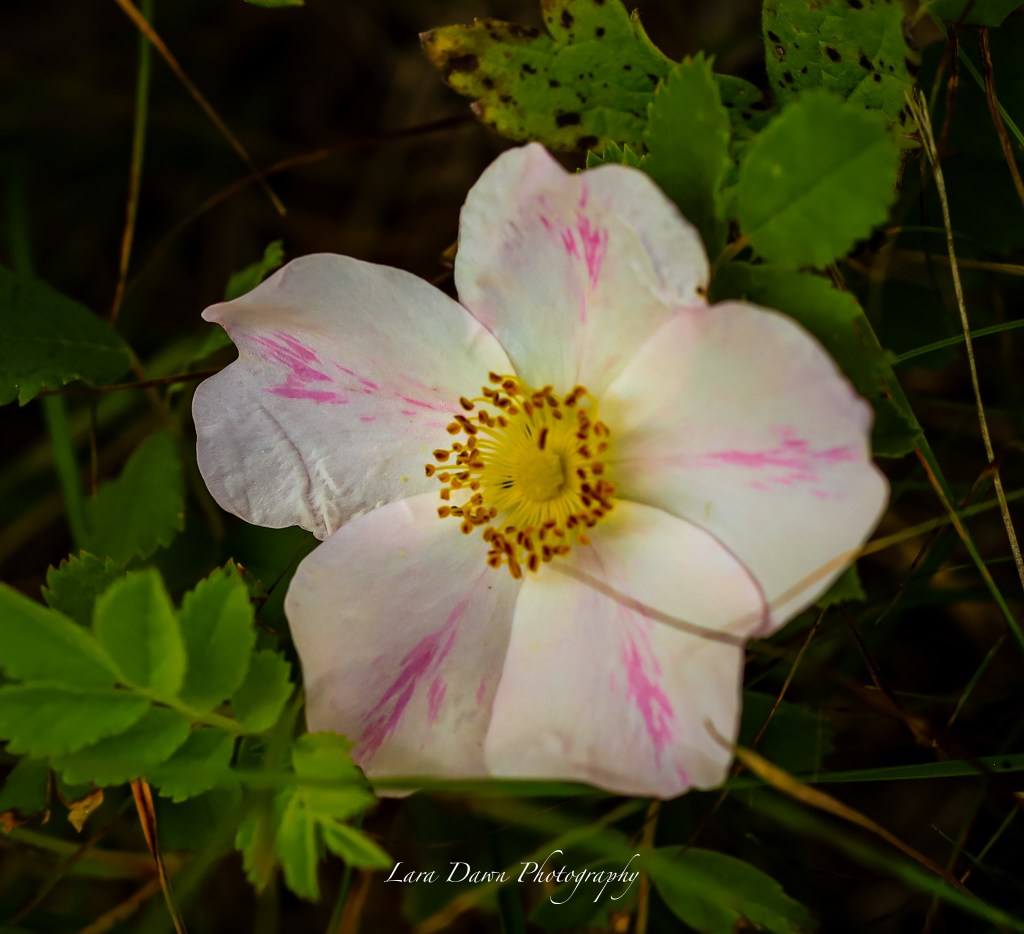
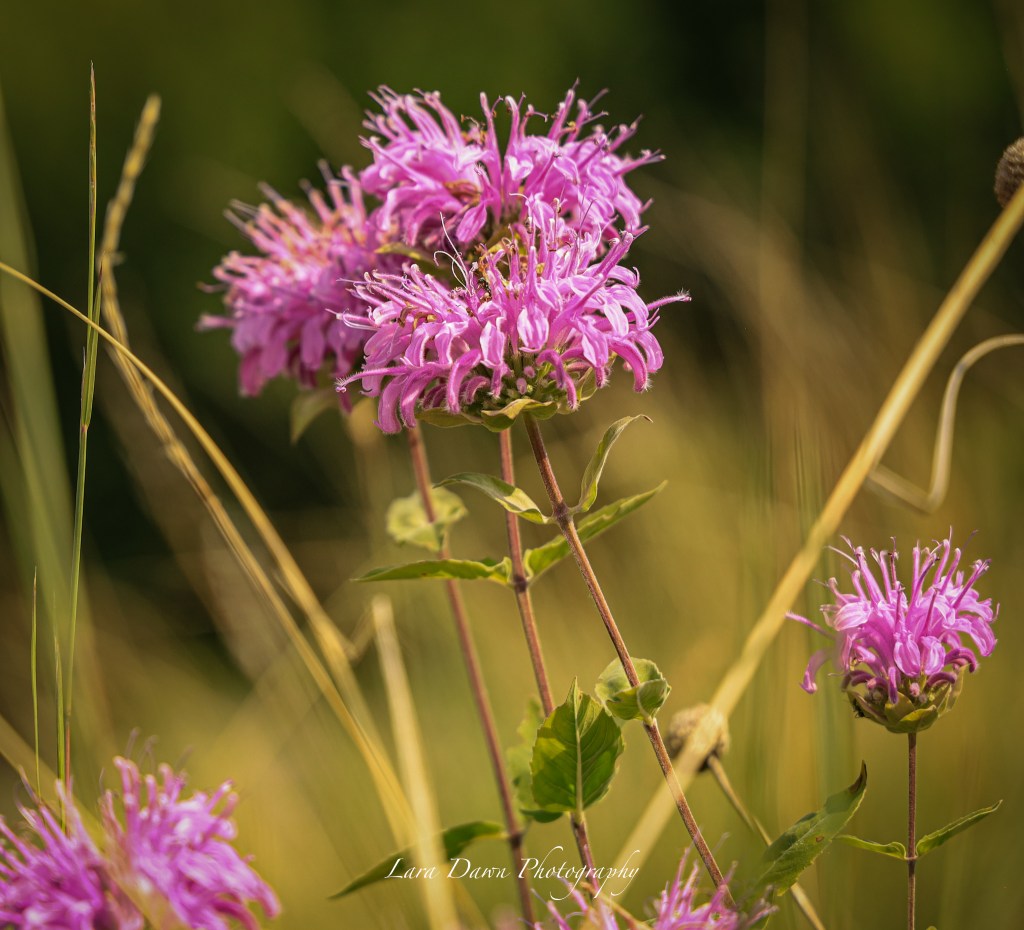
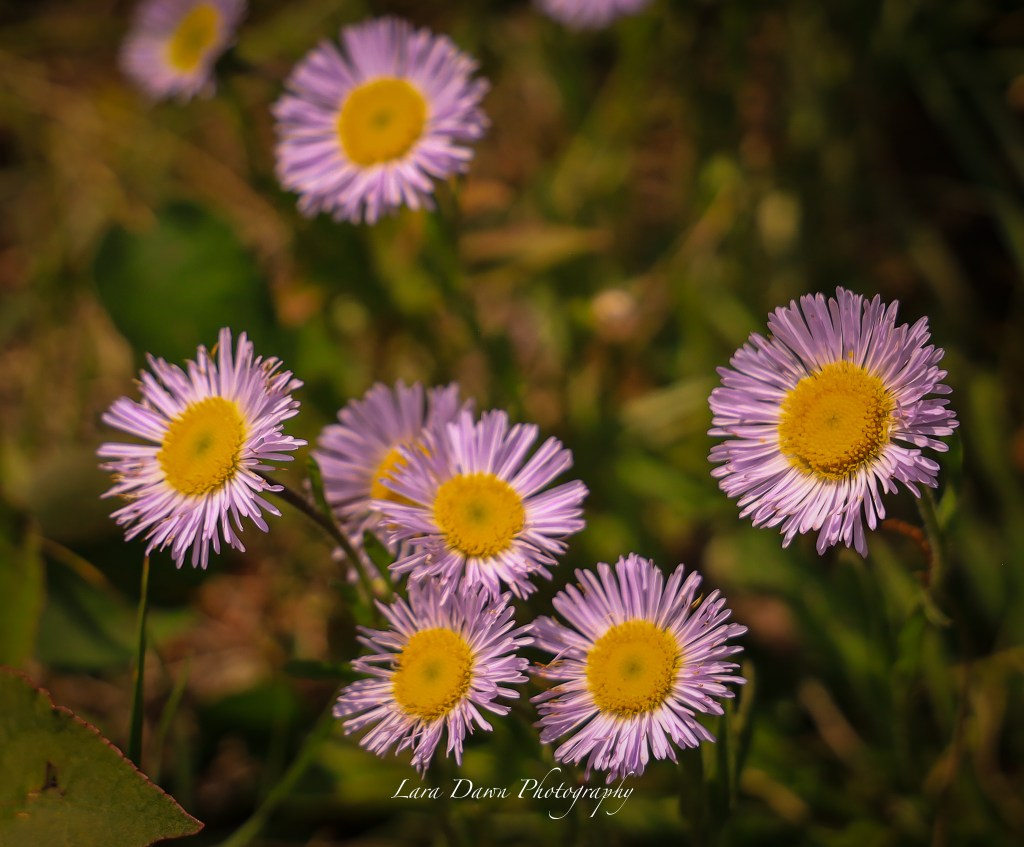
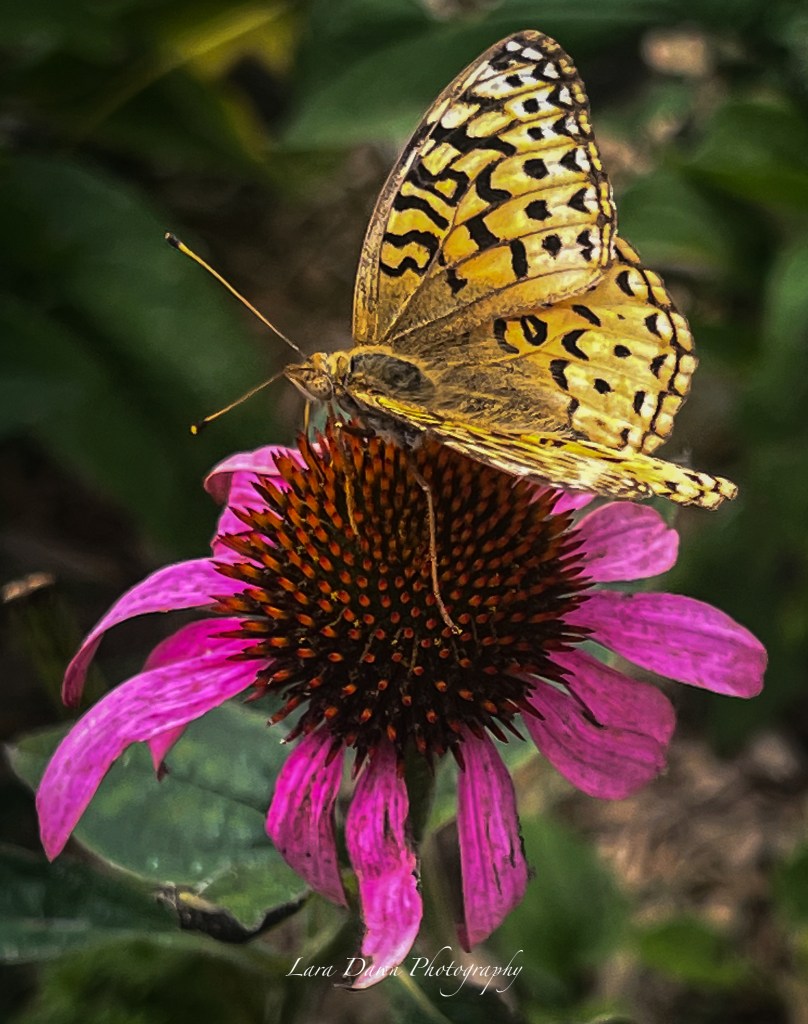
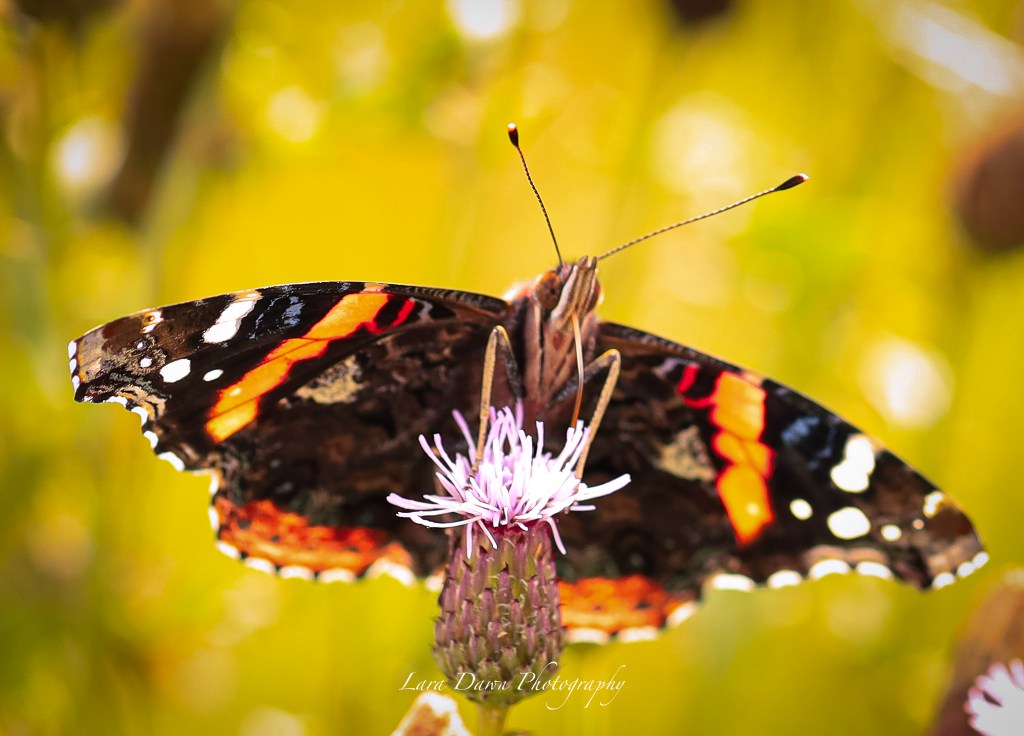
Walking the wild places, the corridors of natural prairie between fields of cultivated and planted land, or the hills of the Qu’Appelle Valley, I’ve learned to pay attention to the wild plants. When I travel to different landscapes, often with camera in hand, I like to document the wild plants I come across on hikes. In recent years, I’ve been slowly learning the names of these plants, expanding my plant vocabulary beyond thistle, sunflower, daisy, wild rose. Just this year, my sister and I identified five different types of mint in the wetlands just behind my house. The prairie grasses I encounter are yet to be identified or named, perhaps a task for the next season; I’m quite happy with the made-up names of nap grass (because the grass looks soft enough to have a nap in) and tickle grass (because the grass tickles your face when you walk through).
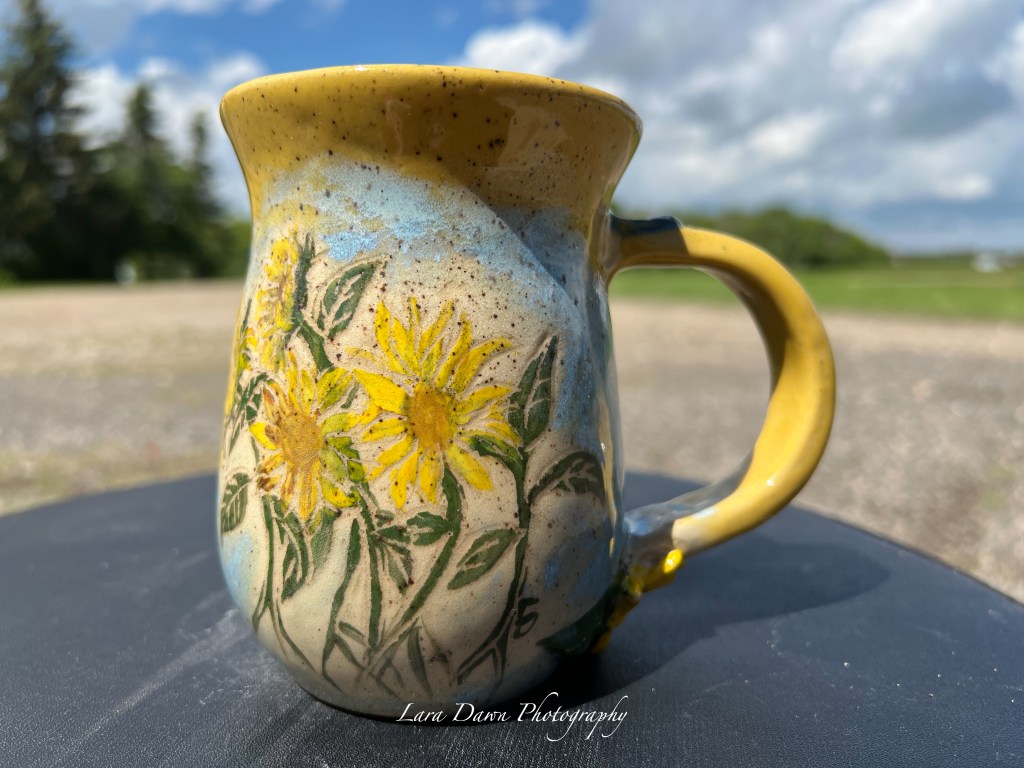
Even at these beginning stages of learning the names, I’m becoming better acquainted with the landscapes I am privileged to live on, or visit. I am getting closer to seeing these places and their inhabitants as gift, and, as such, treating all with honour and respect. The plant are our kin, a lesson I’m learning from Dr. Robin Wall Kimmerer in her book Braiding Sweetgrass. And if the plants are our kin, then I need to cherish them, just as I cherish my own human kin. So I begin with stopping to pay attention, close attention, and learning their names. Sometimes I take their photos, and then paint their likeness on a piece of pottery. Hopefully the wildflowers’ gift will bring joy to someone else. Hopefully we will protect our kin, so that future generations can know them too.
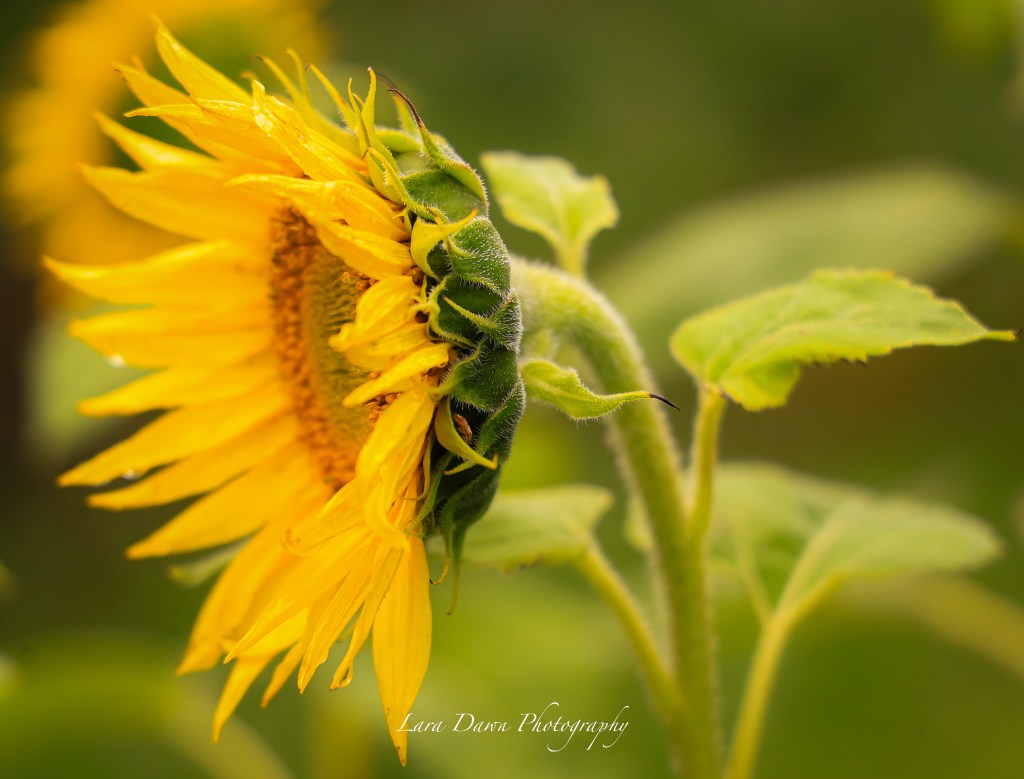
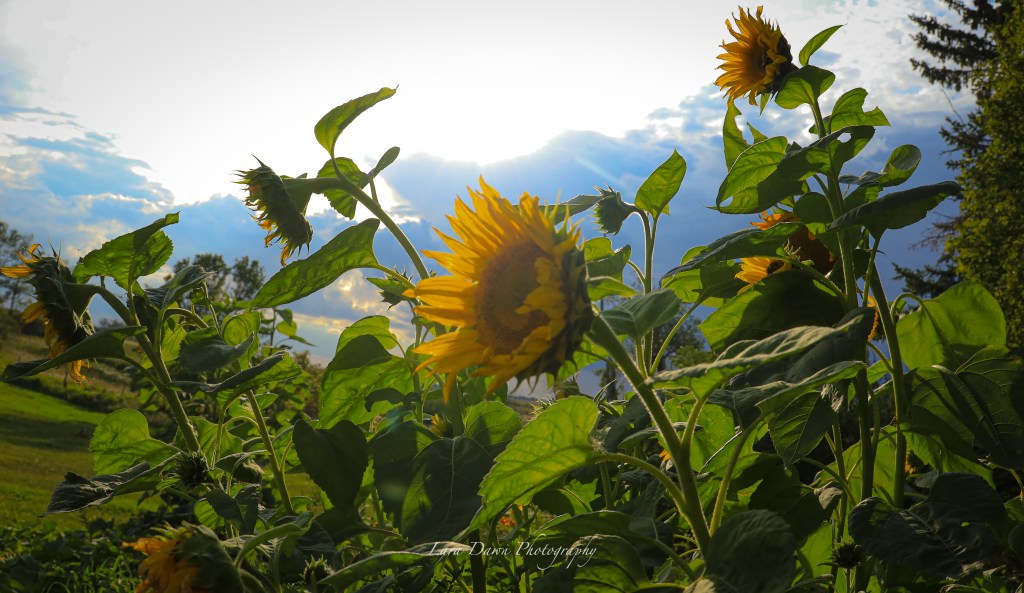
Sunflowers are one of my favourite subjects for painting on pottery. Sunflower and bee mugs is where it all started, and I make sure I leave room in each kiln full for a few sunflower mugs. But why sunflowers? They do appeal to many people. It seems most prairie gardens have a sunflower or two (or dozens), whether they are decorative or for the seeds. Or just volunteer every year (I have a few volunteers this year).
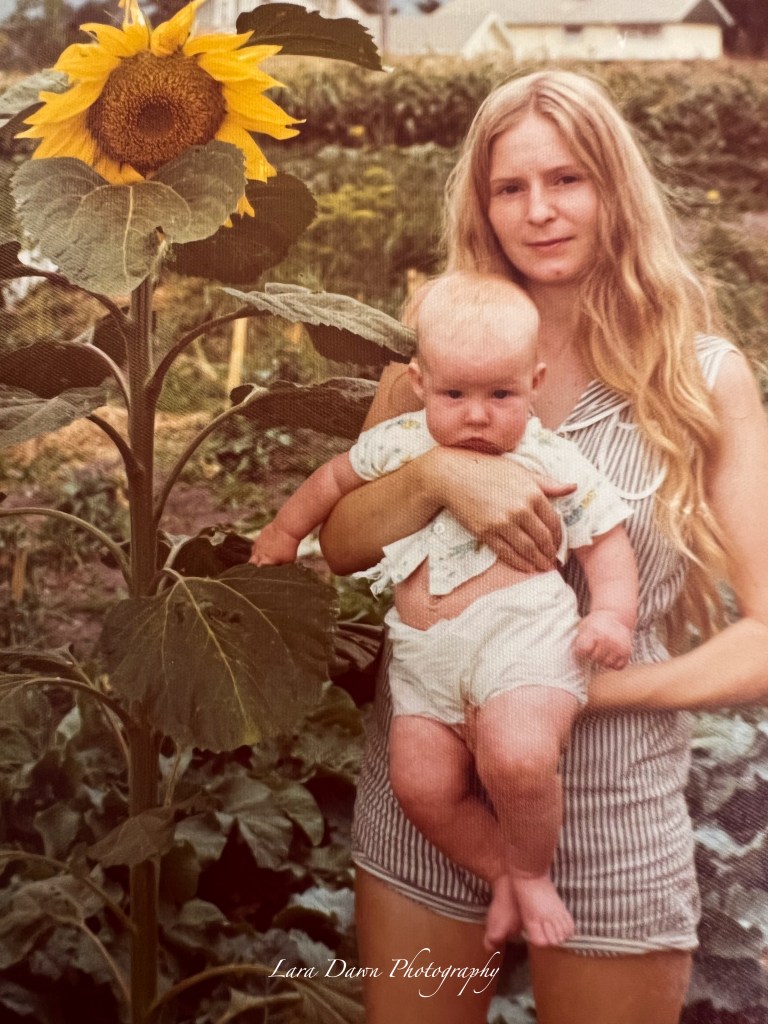
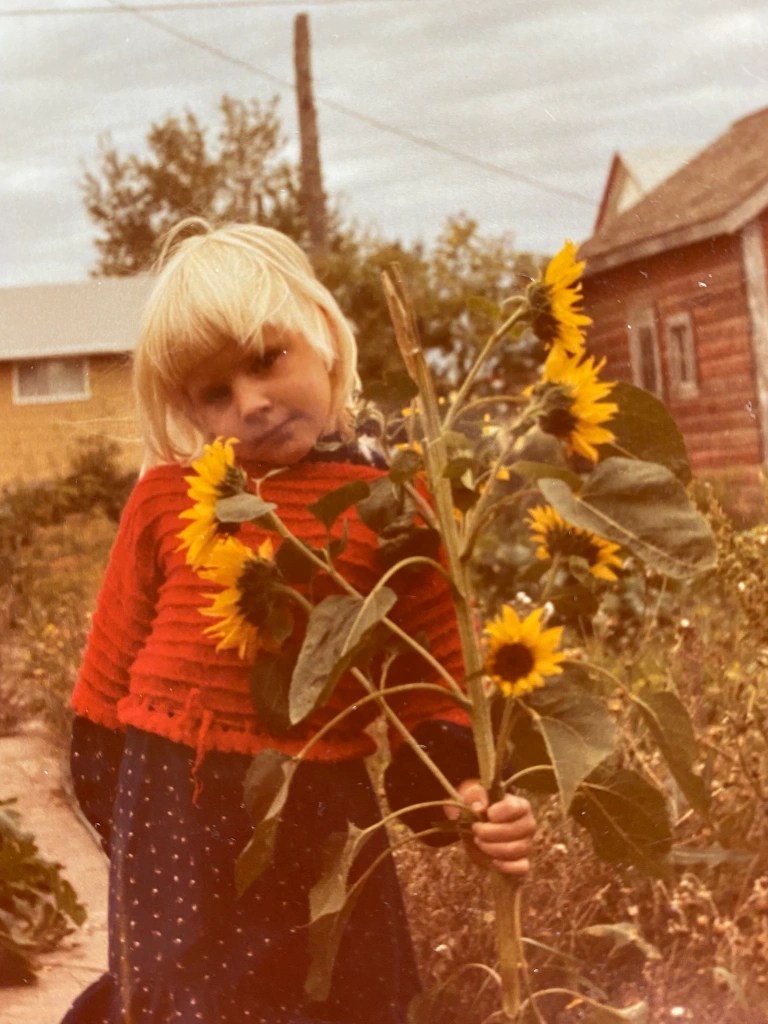
Sunflowers paint my childhood memories. At the end of every summer, my mom and I would pose with the sunflowers to mark the year (or special occasions), sort of like a mark on the doorpost to measure height. I started out in my mother’s arms as a baby, toddler, young child, and then I was the same height as my mom, and no longer fit in her arms. This same year (I was ten), the sunflower picture showed my mom in the late stages of pregnancy—the first appearance of my sister, Megan, in the sunflower pictures. The three of us posed for a few more years, but I soon got busy with being a teenager, and the sunflower pictures as a tradition faded away. Yet, all these years later, I still think of these photos, I look back with joy on these moments in time, and the sunflowers will always be part of the landscape of my soul and creative imagination.
Mom and Baby Lara (first year of sunflower pictures)First day of school
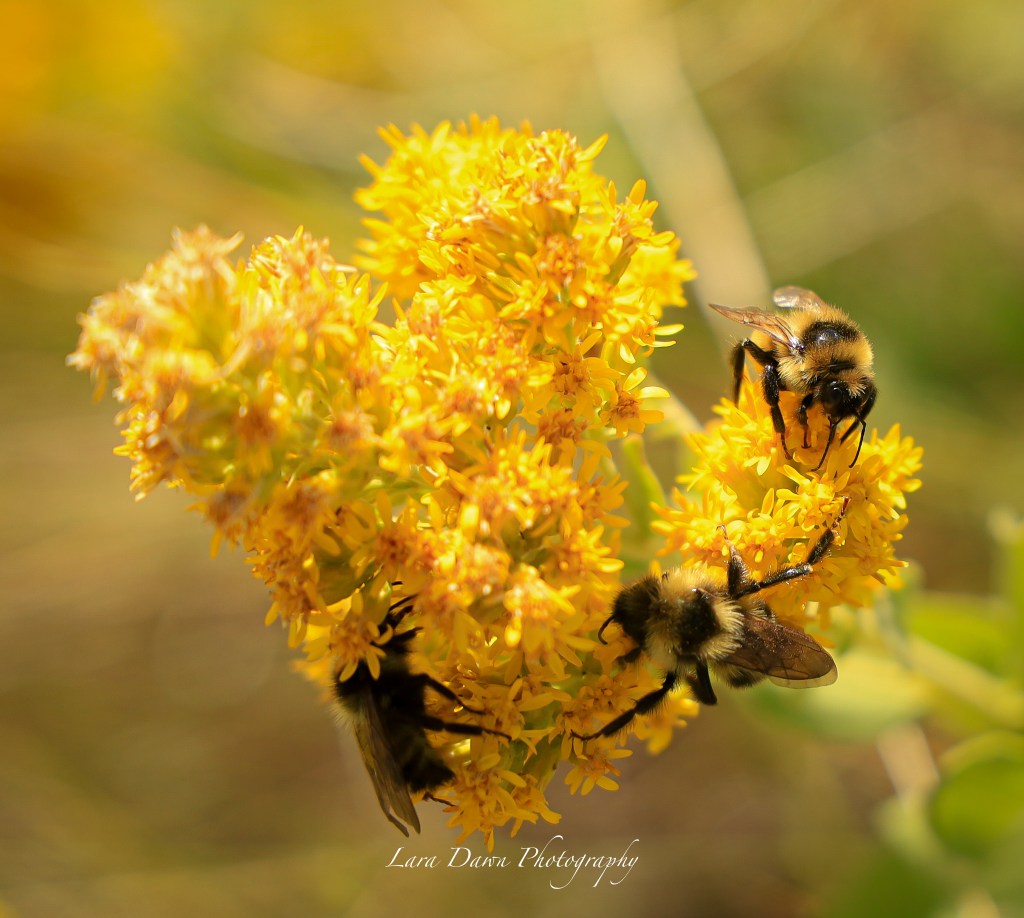
I’m anticipating the bloom of sunflowers in the coming weeks, watching the volunteer plants grow at a record rate with all the rain and heat. Last year, some of the sunflowers were at least seven feet tall and provided plenty of seeds for the neighbourhood birds and deer. I predict there will be many more sunflower photos this year, hopefully some with bees!
Here is a little poem I wrote last year about sunflowers. Maybe you’ll enjoy the poem as you sip your tea or coffee from a Lara Dawn Pottery sunflower mug.
Where Did the Yellow Go?
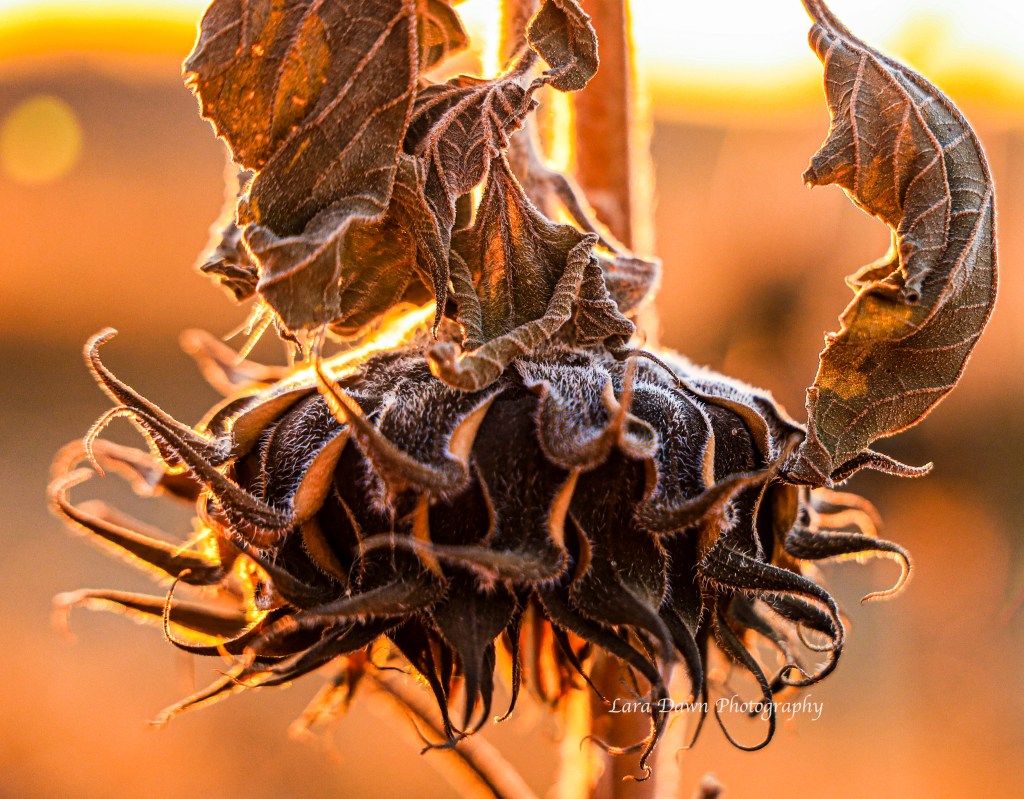
When the sunflower droops its head in the October frost,
where does the yellow go? I understand enough to know—
at the cellular level the sunflower’s cells have burst because of the cold,
the contents have leaked out.
But if the yellow flowed out of the broken cell walls, where did it go?
Was it carried off on the backs of honey bees as a last prize–
a yellow blanket for the winter snows?
Did the yellow spiral down the hollow stem into the earthen bed below–
the sunshine absorbed into the ground, waiting for the spring warmth to call it forth once again.
Or did the yellow simply turn inward, revealing its other side—
Sunflower wears its death cloak now.
In time, Sunflower will be completely absorbed,
cells scattered, turned under, nourishment for others.
This encounter with the dying is the hardest season.
I stand here uncertain of my own journey, wondering if my yellow is fading,
wondering if my cells are slowly dying, scattering, absorbing into the earth.
Couldn’t be. I am standing in my kitchen, my coffee in my hand–
truly I am still here, intact.
But part of me has left, leaked out, transformed, reabsorbed.
Can I expect the yellow to rise again? Will my face move with the sun once more?
Will I sway in the wind, and feed the bees? Time will tell, I suppose.
But I will live in one form or another–
as nourishment, as a seed. Perhaps as a word,
a poem someone might on a shelf of a library or book store 100 years from now.
Perhaps they are reading these words.
Perhaps the yellow is rising up their eyes, their souls, as they
 Lara Dawn Pottery